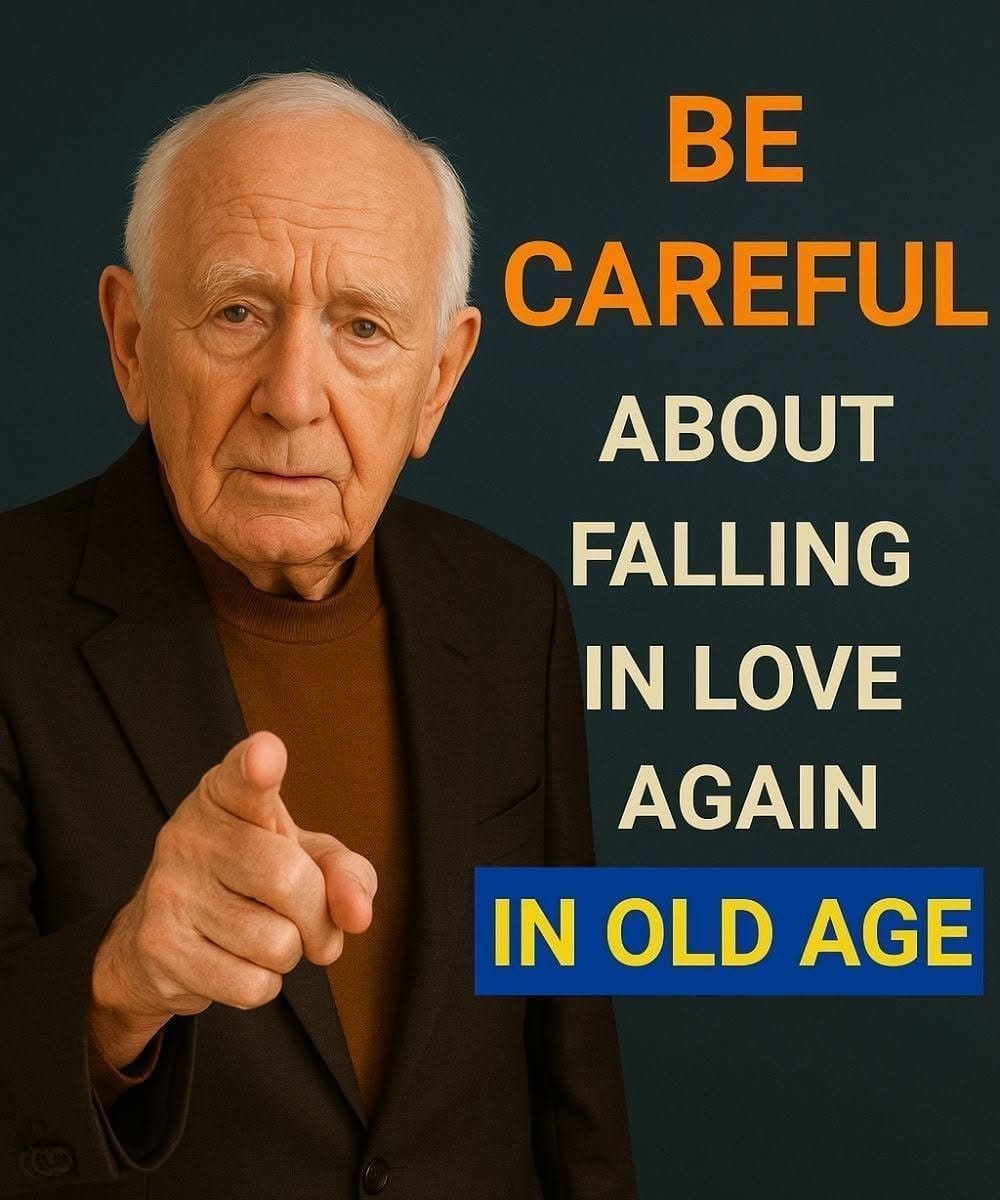
Headlines warning about “The DANGER of Falling in Love After 60: What Nobody Tells You” represent a classic manifestation of sensationalized internet journalism. By wrapping a fundamentally positive, life-affirming human experience in apocalyptic terminology, these articles weaponize universal anxieties about aging, vulnerability, and social change. Instead of celebrating the profound emotional, psychological, and physiological benefits of late-life companionship, they construct a narrative of hazard, preying on fears of manipulation, loss of autonomy, and familial friction.
A thorough examination of romance later in life reveals a complex interplay of emotional rewards, practical realities, and psychological maturity that stands in stark contrast to internet clickbait.
The Psychological and Physiological Benefits of Late-Life Romance
To understand why framing love after 60 as a “danger” is deeply misleading, one must first look at the overwhelming body of scientific and psychological literature highlighting the benefits of mature companionship.
-
Buffer Against Loneliness and Isolation: Chronic loneliness in older adults is associated with a cascade of adverse health outcomes, including cognitive decline, weakened immune function, and increased cardiovascular risks. Romantic partnerships provide a reliable source of emotional intimacy and social connection that mitigates these risks.
-
Neurochemical Well-Being: Falling in love stimulates the release of neurotransmitters such as dopamine, oxytocin, and serotonin. These chemicals promote feelings of happiness, reduce cortisol (the stress hormone), and foster a sense of emotional security and resilience.
-
Cognitive Stimulation: Engaging with a new romantic partner introduces novel experiences, dynamic conversations, and shared problem-solving, all of which act as cognitive exercises that support mental sharpness as people age.
-
Enhanced Quality of Life: Long-term studies on aging consistently show that older adults with strong social and romantic bonds report a higher subjective sense of well-being, greater life satisfaction, and a more positive outlook on the future.
Why the Internet Sells Fear: The Clickbait Architecture
Articles warning of late-life romance rely on a predictable psychological playbook designed to generate high engagement through emotional manipulation.
-
Pathologizing Autonomy: These narratives often subtly infantilize older adults, implying that individuals over 60 lack the emotional discernment or cognitive capacity to navigate relationships safely. They treat maturity as a liability rather than an advantage.
-
The Worst-Case Scenario Bias: By focusing exclusively on predatory financial scams, bad breakups, or contentious estate battles, these pieces present rare anomalies as the universal rule. They ignore the millions of stable, deeply fulfilling partnerships formed later in life.
-
Manufacturing Family Anxiety: Titles of this nature frequently trigger protective instincts or anxieties in adult children, playing into fears regarding inheritances, caregiving duties, and family cohesion.
The Real-World Practicalities (Stripped of the Sensationalism)
While late-life love is not inherently dangerous, it does occur within a distinct life context compared to romance in young adulthood. Mature adults bring decades of accumulated history, legal commitments, and established identities to a relationship. When family law attorneys, gerontologists, and relationship counselors discuss mature romance, they focus on pragmatic life alignment rather than existential danger:
-
Integrating Decades of Independence: Two people who have lived alone for years have deeply ingrained routines, spatial preferences, and domestic habits. Learning to share a physical space or merge lives requires high levels of communication, compromise, and patience.
-
Financial and Estate Complexity: Mature adults often hold established assets, real estate, pension plans, and retirement accounts. Navigating these requires transparency. Many couples choose practical arrangements—such as maintaining separate residences (Living Apart Together or LAT arrangements) or utilizing prenuptial agreements—not out of a lack of affection, but to protect family legacies and legal clarity.
-
Navigating Adult Family Dynamics: Introducing a new partner can occasionally unearth complex emotional responses from adult children who may struggle with loyalty to a deceased or divorced parent. Managing these multigenerational expectations requires grace, clear boundaries, and time.
-
Health Realities and Caregiving Horizons: Aging inherently brings changes in physical stamina and health. Entering a partnership later in life means that both individuals may eventually have to navigate medical challenges or caregiving roles, requiring a realistic assessment of mutual support and future planning.
The True Risk
The irony of sensationalized warnings about falling in love later in life is that the greatest risk is not romance itself, but the self-imposed isolation that comes from fearing it. Emotional vulnerability, a willingness to connect, and the courage to share one’s life do not expire with age.
Have you noticed a shift in how media and culture portray romance among older adults, or were you exploring how people navigate new relationships later in life?
