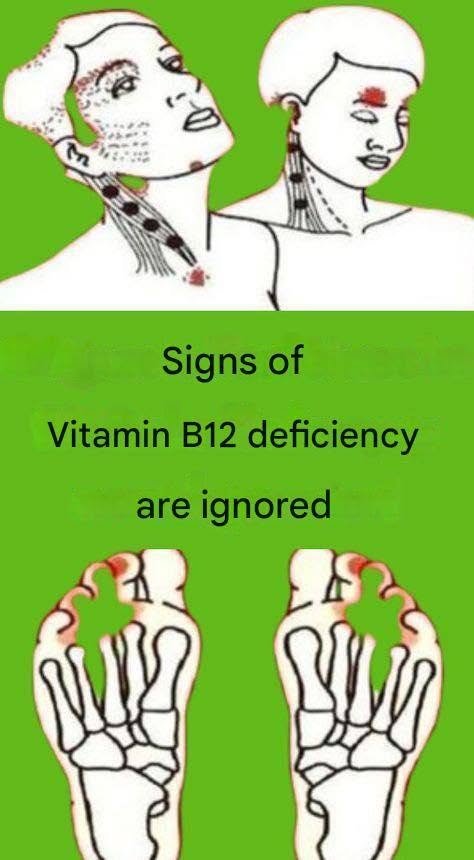
The recurring internet headline warning that “Signs of vitamin B12 deficiency are ignored” represents a masterclass in health-scare media manipulation. These articles take a genuinely critical and widespread nutritional topic—as true vitamin B12 deficiency can lead to severe hematological and irreversible neurological damage—and wrap it in a layer of mystery and alarmism. They exploit the fact that modern life leaves almost everyone feeling tired, framing normal human exhaustion as a ticking time bomb of neurological decay.
While a B12 deficiency can indeed sneak up on an individual over months or years, the reasons people miss the signs are rarely due to a sinister medical oversight or widespread ignorance. Instead, they stem from the fact that early symptoms heavily mimic the day-to-day grind of stress, poor sleep, and natural aging.
The Physiological Role of B12 and Why Depletion Sneaks Up
Vitamin B12 (cobalamin) is an essential water-soluble nutrient that the human body cannot synthesize on its own; it must be obtained entirely from animal-based foods (meat, fish, poultry, eggs, dairy) or fortified products. Once ingested, B12 plays a foundational role in three critical biological systems:
-
Erythropoiesis: It works hand-in-hand with folate to produce healthy, mature red blood cells in the bone marrow.
-
Neurological Maintenance: It is vital for the synthesis of myelin, the protective insulating sheath that wraps around nerve fibers, enabling fast and efficient signal transmission throughout the central and peripheral nervous systems.
-
DNA Synthesis: It acts as a crucial cofactor in cellular replication and metabolic methylation cycles, keeping energy production running smoothly.
Because the liver is remarkably efficient at storing excess vitamin B12—often holding a reserve that can last anywhere from two to five years—a dietary shortfall or a mild absorption issue does not cause an immediate crisis. The body slowly draws down its internal bank, meaning symptoms emerge at a glacial, barely perceptible pace.
Why the Early Signs Are Universally “Ignored”
When clickbait listicles claim people are ignoring red flags, they point to symptoms that are profoundly non-specific. In the early stages of depletion, individuals typically write off their changing physical state as standard lifestyle stress:
-
Insidious Fatigue and Lethargy: Feeling constantly wiped out is the number one sign, but it is also the universal complaint of the modern era. Between late-night screen time, high-pressure careers, and family obligations, people attribute deep cellular fatigue to a lack of sleep or a busy schedule rather than a biochemical shortage.
-
Subtle Cognitive Sluggishness (“Brain Fog”): Mild forgetfulness, trouble finding words mid-sentence, or a feeling of mental sluggishness are easily dismissed as normal aging, distraction, or being “spread too thin.”
-
Mild Paresthesia (Tingling): Intermittent “pins and needles” in the fingers or toes are frequently blamed on poor sleeping positions, tight shoes, or sitting cross-legged at a desk for too long.
The Clinical Reality: When Deficiency Progresses
When vitamin B12 stores are entirely exhausted and cellular damage begins to mount, the clinical picture sharpens significantly. Medical professionals look for distinct, measurable pathology rather than vague listicle items:
-
Megaloblastic Anemia: Without enough B12, red blood cell production falters. The cells that are produced grow abnormally large (megaloblastic) and fail to mature properly, resulting in decreased oxygen-carrying capacity. This triggers profound weakness, pale or slightly jaundiced skin, chronic shortness of breath with minimal exertion, and exercise intolerance.
-
Progressive Neurological Complications: This is the most dangerous aspect of a neglected deficiency. As myelin degrades, peripheral neuropathy sets in, causing persistent numbness, burning sensations, or a loss of vibration and position sense in the limbs. Patients may experience unexplained balance issues, clumsiness, frequent stumbling, or unsteadiness in the dark.
-
Neuropsychiatric Manifestations: Severe, long-standing deficiency can cross into psychological territory, driving irritability, personality changes, severe depression, cognitive slowing, and, in advanced or geriatric cases, profound memory impairment that can mimic dementia.
-
Glossitis and Stomatitis: The rapid turnover of cells in the gastrointestinal tract and mouth is disrupted, often resulting in a smooth, red, painful, or “beefy” tongue, alongside painful cracks at the corners of the mouth (angular cheilitis).
Who Is Actually at Risk?
Rather than randomly striking a healthy population, true clinical B12 deficiency tends to target specific biological and dietary profiles:
-
Strict Plant-Based Diets: Because unfortified plant foods contain virtually no natural B12, vegans and long-term vegetarians who do not supplement or eat fortified foods will eventually deplete their stores.
-
Malabsorption Issues: Conditions that affect the stomach or small intestine—such as pernicious anemia (an autoimmune condition where the stomach lacks intrinsic factor, a protein required to absorb B12), celiac disease, Crohn’s disease, or bariatric surgery—severely impair the body’s ability to extract the vitamin from food, regardless of dietary intake.
-
Long-Term Medication Use: Chronic use of acid-reducing medications (like proton pump inhibitors or H2 blockers) or the diabetes drug metformin can interfere with stomach acid production and intestinal absorption over time.
Navigating Toward Clarity
If you find yourself constantly dragging through the day or experiencing persistent neurological quirks, you don’t need to panic scroll through an alarmist slideshow. A standard blood panel ordered by a physician—checking serum B12, and potentially secondary markers like methylmalonic acid (MMA) or homocysteine—will provide a definitive, objective answer about your nutritional status.
If a deficiency is discovered, treatment is straightforward and highly effective, ranging from high-dose oral supplementation to therapeutic injections when absorption is compromised.
