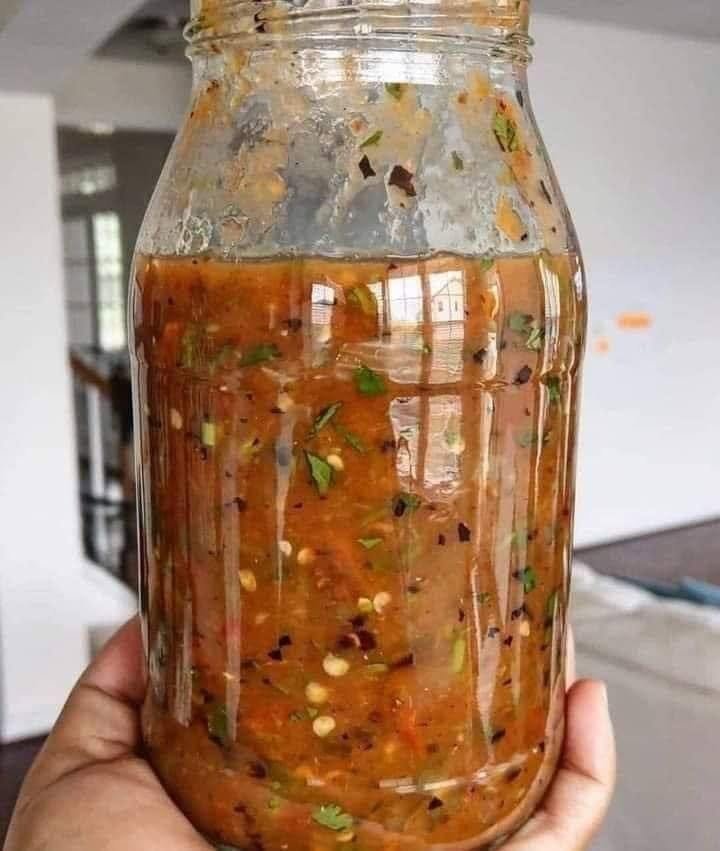
Exploring the vibrant universe of salsa picante reveals a foundational cornerstone of Mexican and Latin American culinary traditions. Far from being a mere condiment, salsa picante is an intricate vehicle for balancing heat, acidity, sweetness, and earthiness, heavily dictated by regional techniques and pepper selections.
The Anatomy of Salsa Picante: Core Flavor Profiles
Every great hot sauce or table salsa relies on a precise interplay of core elements:
-
The Base (The Body):
-
Tomatoes (Salsa Roja): Provide a juicy, acidic foundation rich in glutamates, which add natural savory depth, especially when roasted or charred.
-
Tomatillos (Salsa Verde): Offer a tart, bright, citrus-forward profile that cuts through rich meats and heavy fats.
-
Fruit or Veggie Hybrids: Variations incorporating mango, pineapple, or roasted carrots add natural sweetness and viscosity.
-
-
The Heat Source (The Peppers):
-
Jalapeños: Crisp, bright, and moderately spicy, ideal for everyday table salsas.
-
Serranos: Thinner-skinned with a sharper, brighter, and significantly hotter kick than jalapeños.
-
Habaneros / Scotch Bonnets: Deliver intense heat paired with tropical, floral, and fruity aromatic notes.
-
Dried Chiles (Guajillo, Ancho, Arbol): When rehydrated and blended, they impart deep, smoky, raisin-like, and earthy undertones.
-
-
The Aromatics and Acid:
-
Raw or charred white onion and garlic build a pungent, aromatic backbone.
-
Fresh lime juice or white vinegar provides the volatile acid spike that brightens the flavors and acts as a natural preservative.
-
Three Distinct Styles of Salsa Picante
Depending on the culinary application, preparation methods alter the chemical and physical nature of the salsa:
-
Salsa Asada (Charred/Grilled): Vegetables are thrown directly onto a dry cast-iron skillet (comal) or grill until blackened in spots. This caramelizes the natural sugars in the onions and tomatoes and infuses a rich, smoky flavor profile.
-
Salsa Cruda (Fresh/Pico de Gallo style): Finely diced raw tomatoes, onions, cilantro, and chiles mixed with fresh lime juice. It offers a bright, watery crunch that is exceptionally refreshing when paired with heavy, fried foods like carnitas or fish tacos.
-
Fermented Hot Sauces: Blended chiles, garlic, and salt left to undergo lacto-fermentation. Beneficial lactic acid bacteria break down sugars into lactic acid, producing a complex, tangy funk and a shelf-stable, probiotic-rich condiment.
Elevating Your Technique: Pro Tips for Restaurant-Quality Salsa
-
Control the Water Content: Watery tomatoes can dilute your salsa. Roasting or boiling vegetables whole helps concentrate their flavors, but always drain excess liquid before blending if you prefer a thick, clinging consistency.
-
The Char Factor: Do not shy away from blackening your onion and garlic skins. That char introduces a vital layer of depth that separates a flat-tasting salsa from an authentic, complex masterpiece.
-
Resting Time: Acids and salts need time to penetrate cell walls. Letting your salsa rest in the refrigerator for at least an hour—or ideally overnight—allows the capsaicin, garlic oils, and citrus to harmonize completely.
Are you looking to experiment with dried chiles for a deeper, smoky style, or do you prefer a bright, fresh green salsa?
