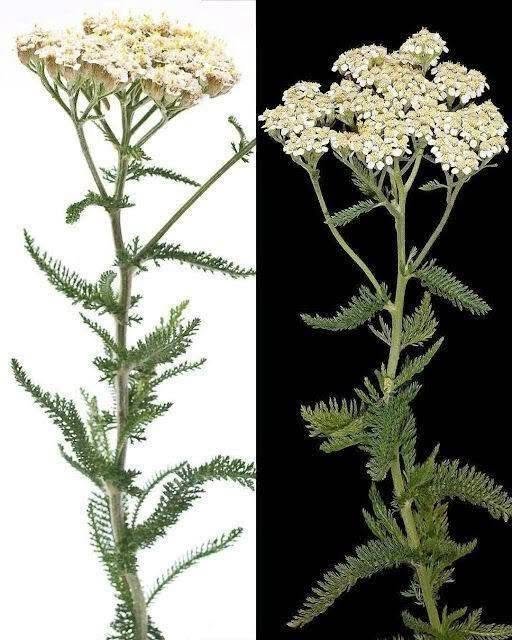
Ah, the ultimate “hidden green gold” social media clickbait formula! Titles claiming that discovering a common weed is more valuable than finding money are designed to trigger pure curiosity, preying on the fantasy that a magical fortune or secret pharmaceutical cure is hiding right under our noses in the backyard.
Whether the post cycles through purslane, dandelions, plantain, or dead nettle, the script is always identical: take a resilient wild plant, declare that modern science or “they” are hiding its true worth, and use dramatic buzzwords like more valuable than money or worth its weight in gold.
Why the “Miracle Weed” Narrative Falls Apart
-
The Clickbait Loop (Engagement Bait): These posts are almost always designed as engagement loops on social media. They intentionally leave the name of the plant out of the preview text, forcing you to click a sketchy blog link, scroll through endless ad banners, or comment “INFO” just to find out what plant they are talking about.
-
Exaggerated Financial Value: While certain foraged greens (like wild mushrooms or specialty herbs) have culinary value at a farmer’s market, a common weed popping up between your paving stones is not a hidden financial asset. Finding a $20 bill on the sidewalk is objectively more useful than discovering a dandelion you still have to pull out before it takes over your lawn.
-
The “Secret Cure” Fallacy: These articles love to frame ordinary wild plants as clandestine powerhouses that outperform modern medicine. While many wild plants have historical uses or nutritional profiles (for instance, purslane actually is high in omega-3 fatty acids), eating a handful of backyard weeds is not a substitute for medical care, nor is it a magical health cheat code.
The Reality of Backyard “Weeds”
Many plants that we casually label as weeds are fascinating, resilient, and sometimes historically or nutritionally interesting:
-
Purslane: Often dismissed as a stubborn garden weed, it is actually edible, slightly tangy, and genuinely rich in vitamins and alpha-linolenic acid (an omega-3 fatty acid).
-
Dandelions: Their greens can be tossed in salads, and their roots have been roasted as coffee substitutes—but they are a nuisance in a manicured lawn, not a gold mine.
Ultimately, nature is full of cool, hardy botany, but it doesn’t replace a trip to the grocery store or pharmacy.
Did a mysterious “valuable weed” post pop up in your gardening or lifestyle feed today, or were you wondering if any of those viral backyard plants are actually worth foraging?
