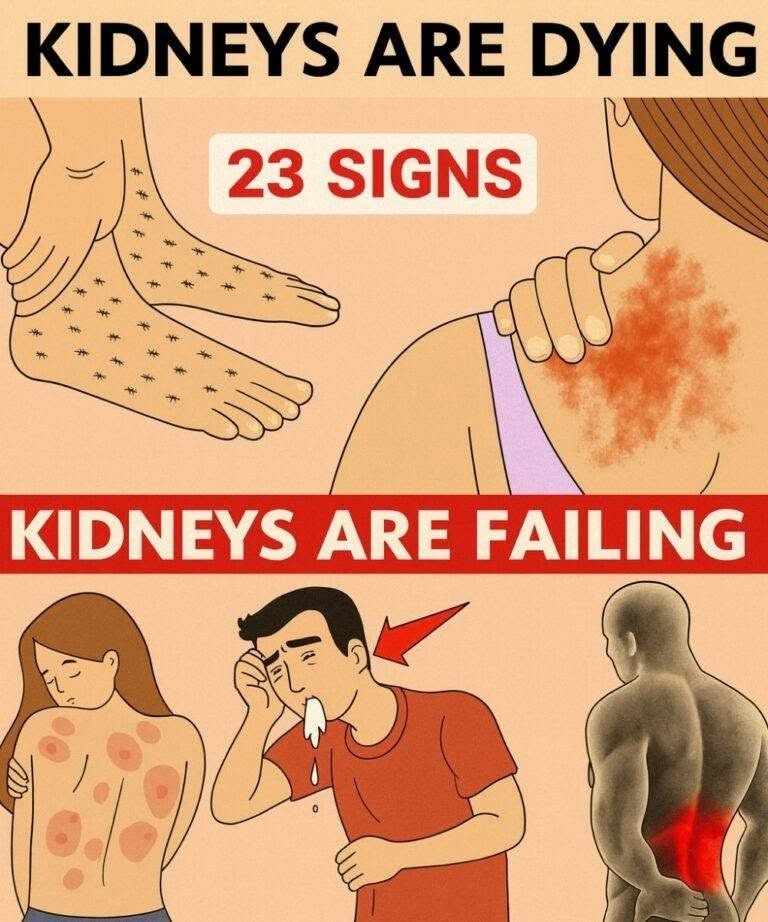
Articles with titles like “23 Strange Signs Your Kidneys Might Be in Trouble” are a masterclass in health anxiety clickbait. By listing an impossibly high number of symptoms—often including everyday quirks like feeling tired, having dry skin, or waking up with a slight puffiness—they weaponize normal human variations into a terrifying medical mystery.
While kidney disease is a serious condition that requires proper monitoring (especially for those managing blood pressure or diabetes), it is diagnosed through routine blood and urine tests ordered by a physician—not by decoding a sprawling checklist of vague bodily sensations.
Why “Strange Signs” Lists Are Misleading
-
The Barnum Effect (Vague Generality): Lists of 20 or more symptoms rely on traits almost everyone experiences at some point—like fatigue, minor swelling after a salty meal, or occasional changes in sleep. Readers easily convince themselves that a harmless daily annoyance is actually an organ failure warning.
-
Separating Real Indicators from Noise: True kidney distress involves persistent, measurable physiological changes, not isolated “strange signs.”
-
The Anxiety Loop: Instead of encouraging sensible healthcare habits, these headlines create a spike of panic, driving traffic to sites that sell unverified supplements or health tonics.
What Real Kidney Trouble Actually Looks Like
Kidneys are remarkable filters that regulate fluid balance, electrolytes, and waste removal. When they truly begin to struggle or lose function over time, the signs tend to be consistent and pronounced, rather than “strange” or quirky:
-
Persistent Swelling (Edema): When kidneys cannot rid the body of extra sodium and fluid, it pools in the lower extremities—leading to swollen ankles, feet, or lower legs—or causes puffiness around the eyes (especially in the morning).
-
Changes in Urination: Noticeable shifts such as waking up multiple times during the night to urinate (nocturia), foamy urine (indicating protein leakage, known as proteinuria), or dark, discolored urine.
-
Chronic Fatigue and Brain Fog: Failing kidneys lead to a buildup of toxins and impurities in the blood (uremia) and can reduce the production of erythropoietin (EPO), a hormone needed to make red blood cells, resulting in severe anemia and exhaustion.
-
Persistent Itchy, Dry Skin: When kidneys fall out of balance, they struggle to keep the right mineral and nutrient balance in your blood, which can lead to a buildup of phosphorus and severe, unscratchable skin itching.
How Kidney Health Is Actually Monitored
If you have risk factors like high blood pressure, diabetes, or a family history of kidney issues, diagnosing kidney health doesn’t rely on guesswork or internet lists. Doctors use two straightforward, definitive tests:
-
eGFR (Estimated Glomerular Filtration Rate): A simple blood test that measures how well your kidneys are filtering waste.
-
UACR (Urine Albumin-to-Creatinine Ratio): A urine test that checks for protein leakage, which is often one of the earliest indicators of kidney stress.
Did one of these “strange signs” catch your eye online, or were you looking into how kidney function is typically checked during a routine physical?
