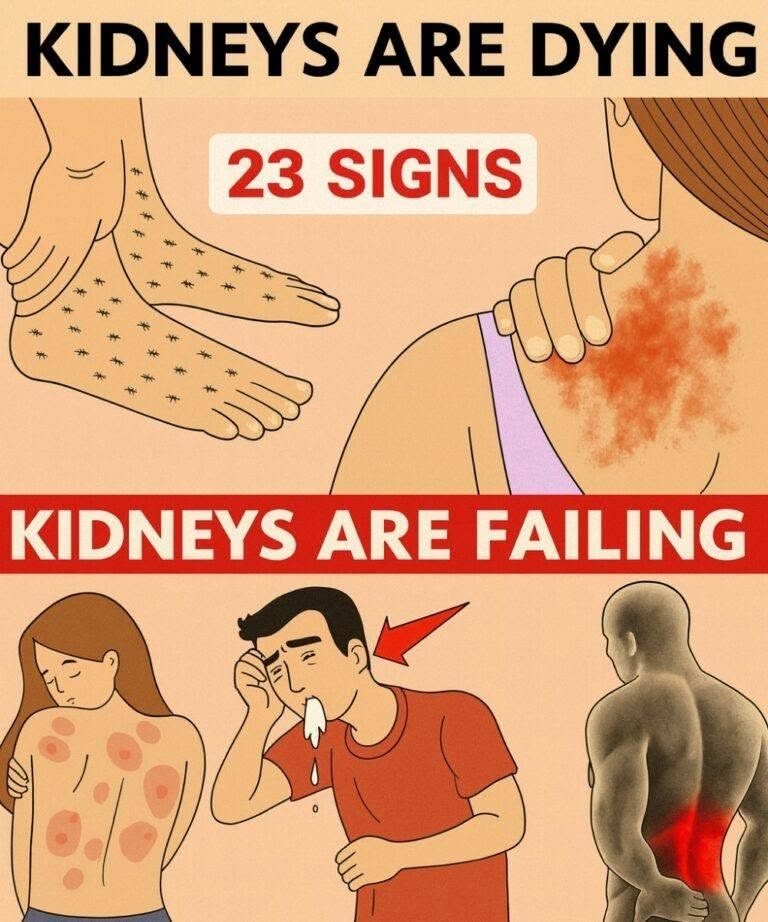
Headlines warning of “23 Strange Signs Your Kidneys Might Be in Trouble” are the ultimate manifestation of health-scare clickbait. They take vital organs, multiply the fear factor with an absurdly long list of 23 symptoms, and weaponize everyday bodily quirks—like feeling tired after a long day or having puffy eyes in the morning—to convince you that silent organ failure is just around the corner.
While chronic kidney disease is a serious medical condition, your kidneys don’t quietly malfunction without giving clear, persistent physiological signals. They certainly don’t rely on obscure, mystical “strange signs” that only a viral slideshow can decode.
Why the “23 Strange Signs” Listicle Falls Apart
-
The Overlap Illusion: To pad a list out to 23 items, clickbait articles have to scrape the bottom of the barrel. They include symptoms like fatigue, dry skin, muscle cramps, or trouble sleeping—things that could mean you stayed up too late, didn’t drink enough water during a workout, or slept in an awkward position.
-
Missing the Clinical Context: Real kidney dysfunction produces specific laboratory markers (like elevated creatinine or declining glomerular filtration rate) and sustained physical changes, not just a random quirky symptom on a Tuesday afternoon.
What Actual Kidney Trouble Looks Like
When your kidneys (which act as your body’s master filtration and electrolyte-balancing system) are genuinely struggling, the signs are typically pronounced and persistent:
-
Persistent Facial or Ankle Edema (Swelling): When kidneys fail to remove extra fluid and sodium efficiently, fluid builds up in the tissues, causing noticeable, lasting swelling around the eyes (especially in the morning) or in the lower legs and feet.
-
Changes in Urination Patterns: Waking up multiple times during the night to urinate (nocturia), noticing foamy or bubbly urine (which can indicate protein spilling into the urine), or seeing blood in the urine.
-
Severe, Unrelenting Fatigue: Healthy kidneys produce a hormone called erythropoietin (EPO), which tells your body to make oxygen-carrying red blood cells. When kidneys struggle, EPO drops, leading to anemia and deep, persistent exhaustion.
-
Itchy, Dry Skin: When kidneys fall out of balance, they can’t maintain the right mineral and nutrient balance in your blood, leading to a buildup of phosphorus that often causes severe, deep-seated itching.
How to Actually Protect Your Kidneys
If you want to keep your kidneys healthy, you don’t need a list of 23 bizarre warning signs. You need to focus on the two main drivers of kidney damage:
-
Manage Blood Pressure and Blood Sugar: High blood pressure and diabetes are the leading causes of kidney disease. Keeping them in a healthy range is your best defense.
-
Stay Hydrated and Use Pain Relievers Wisely: Drink adequate water, and avoid chronic overuse of nonsteroidal anti-inflammatory drugs (NSAIDs) like ibuprofen, which can strain kidney function over time.
-
Get Routine Blood and Urine Tests: A simple annual metabolic panel checks your kidney function (creatinine/eGFR) and a urinalysis checks for protein long before any symptoms ever appear.
Did one of these massive symptom checklists pop up in your feed today, or were you looking into how to support everyday kidney health?
